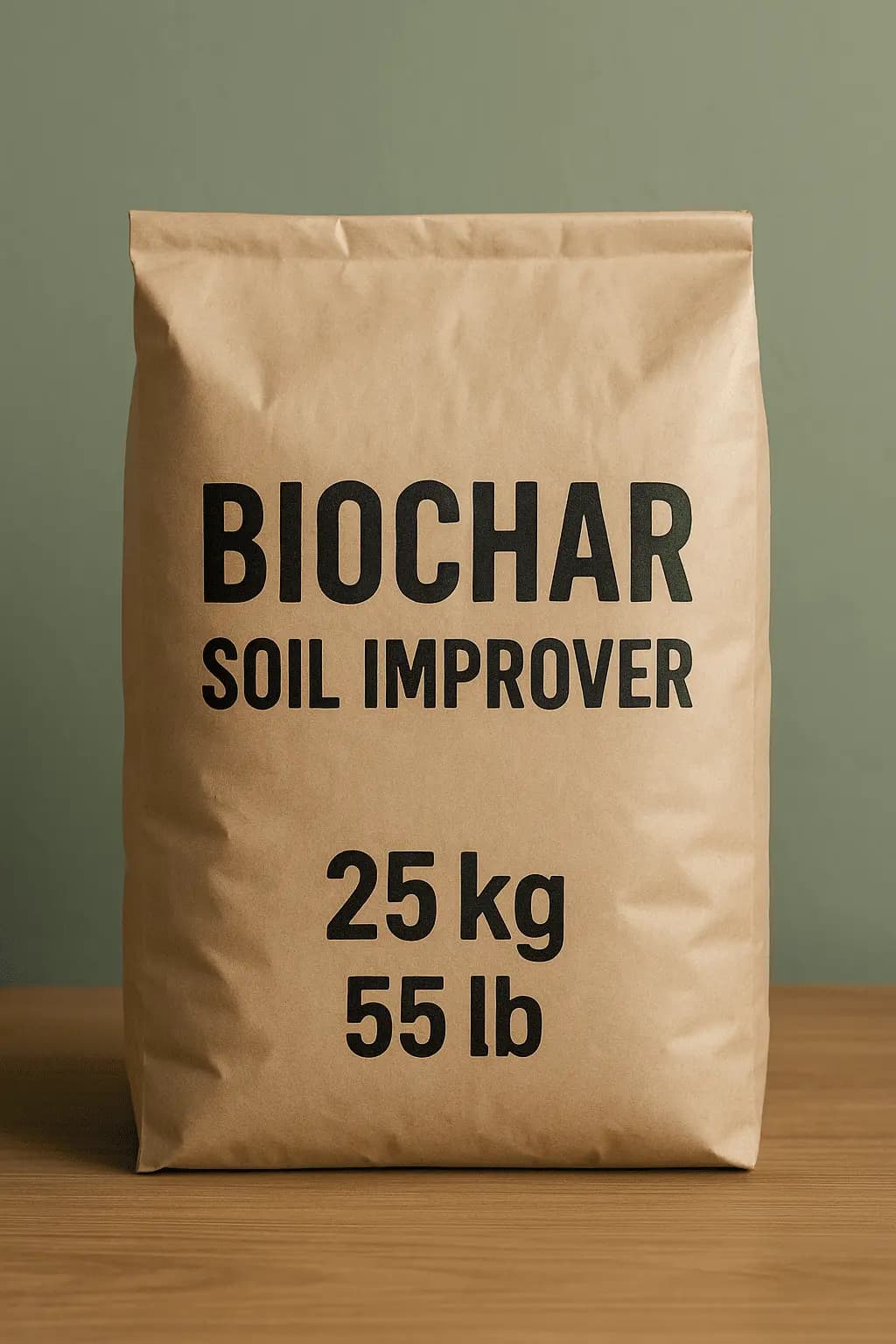
Biochar Carbon Projects: Follow One Batch from Feedstock to End Use
Supacare Technical Team
Carbon Project Development & MRV
LinkedIn-ready angle: Under Verra VM0044 v1.2, producing and selling biochar is not enough. Teams need records showing where the biomass came from, how the biochar was made and where it was ultimately used.
Under Verra VM0044 v1.2, producing and selling biochar is not enough. Teams need records showing where the biomass came from, how the biochar was made and where it was ultimately used.
Biochar project conversations often start with the kiln: how much it can produce, what it can take in and what product it will make. I would start one step earlier. Can the team show where a batch of biomass came from and what would have happened to it otherwise? Then can it follow that same batch through production and on to its final use? If those records do not join up, the project has an evidence gap before it has a crediting case.
That is the practical test under Verra’s active VM0044 v1.2. Diverting biomass, making biochar or finding a buyer does not, by itself, earn credits. The feedstock, production and final use must all meet the methodology. A good kiln cannot fix missing evidence about the biomass, and a sale does not prove that the biochar was used in an eligible way.
Start with the material and its previous fate
Calling a material ‘waste’ does not settle whether it qualifies. The project needs to identify the material, show where and how it is produced, check it against VM0044’s feedstock rules and document what would happen to it without the project. VM0044 sets emissions at biomass sourcing to zero. Do not build a methane-avoidance claim around the feedstock’s previous fate under this methodology.
The rules differ by feedstock. For crop residues collected in the field, the project must meet the methodology’s sustainability conditions, including those on soil carbon and productivity, or demonstrate the applicable open-burning baseline. Without the required documentation, VM0044 caps removal at 50% of total residues. Food-processing residues need a separate check: the project cannot increase residue generation per unit of facility output just to supply the biochar activity.
Before agreeing supply volumes, make a register for each feedstock: what it is, where it comes from, who supplies it, when and how much is collected, how it was previously handled or used, and which records back this up. A delivery ticket proves that a load arrived. It does not prove that the material qualifies.
Treat the production route as a measured system
The facility’s classification changes how the methodology is applied. To qualify as high-technology under VM0044, the facility must meet every listed criterion. These include how it manages process gases, uses generated heat and controls pollution, as well as how it measures and reports production temperature. If one criterion is missing, the methodology treats the facility as low-technology. Check the equipment and operating records; a supplier’s label or design sheet is not enough.
Before the plant starts work, agree who records the operating data and how each batch will be identified. Set out how feedstock and biochar will be weighed, how moisture will be accounted for and how lab results will be linked to the right batch. Also decide what staff should do if a sensor stops working, a load is rejected or the figures do not match. These situations will happen; the team should know how to record them before the first verification.
A sale is not proof of qualifying use
Do not stop the records at the factory gate. For soil use, VM0044 requires an H:Corg ratio of 0.7 or less and application within a year of production. Keep the records that show how much was applied, where it went and when. An invoice proves a sale; it does not show what happened to the biochar afterwards.
A non-soil use needs its own check. VM0044 requires biochar from a high-technology facility, a use that keeps the carbon stored long term, and evidence it will not later be burned or oxidised. Do not assume a use qualifies because customers want the product; check the conditions for that specific application first.
One-batch field exercise
Pick one real or planned batch and try to follow it through the records. Start with the source and what happened to the biomass before delivery. Then check receipt, weights, moisture, production data, lab results, dispatch, customer receipt and proof of final use. For every record, note who creates it, who checks it and where it is kept. Write down any missing link; do not fill it in with a guess.
Additionality still needs a project-specific answer
A positive list is not project approval. The activity still has to fit VM0044, meet the applicable regulatory-surplus requirements and follow the additionality route required by the methodology. VT0008 is relevant only where the project’s route calls for it. Check the current programme rules for this activity before relying on a particular test.
Check the rules before you commit
VM0044 v1.2, dated 27 June 2025, is the active version as of this article. Verra consulted on proposed changes to facility eligibility, feedstocks, monitoring, transport and storage; that consultation closed in August 2026. A closed consultation does not make its proposals the rules. Before ordering equipment or preparing a validation submission, check Verra’s methodology page for any later approved version.
For a project team, the next step is concrete: pick one expected feedstock and trace it through production to its final use. That exercise will show whether the project has the records, operating arrangements and eligible end use to take the idea further, or whether important questions need answering first.
Share with your network
LinkedIn-ready angle: Under Verra VM0044 v1.2, producing and selling biochar is not enough. Teams need records showing where the biomass came from, how the biochar was made and where it was ultimately used.
Sources & further reading
More from Carbon Markets & Policy
October 2026 · 8 min read
Why Distributing Cookstoves Is Not Enough: Building Credible Monitoring Evidence
Delivery records, household interviews, fuel tests and sensor data answer different questions. How project and field teams can preserve the evidence needed for a defensible clean-cooking monitoring system.
October 2026 · 7 min read
UNFCCC's New Cooking Methodologies: What Project Developers Need to Prepare
A practical comparison of the new household-cooking routes, with the actual SUM monitoring dates, the one unresolved cross-reference, and what developers should plan for.
Working on a biochar project?
If you have a facility or project concept, we can discuss co-development. If you need help with methodology, feasibility or MRV, we can scope technical support. Practitioners can also explore the Centre’s carbon project and MRV training.